Pain & Recovery

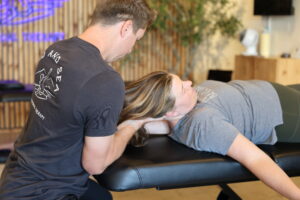
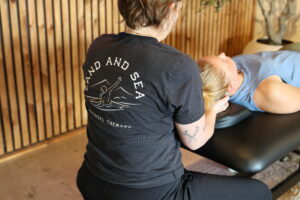
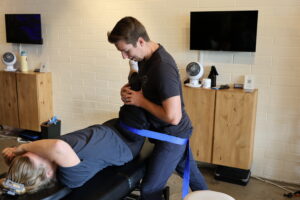
physical therapist working on clients neck

A Pinched Nerve in Your Neck Is Probably Not What You Think It Is

A pinched nerve in the neck, or cervical radiculopathy, isn’t actually a nerve being squeezed like a garden hose. The process is much more complex, and understanding what’s really happening can completely change how you approach recovery. Your cervical spine contains seven vertebrae with soft discs between each bone. Your spinal cord runs through this

A Pinched Nerve in Your Neck Is Probably Not What You Think It Is Read More »

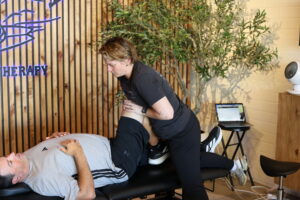
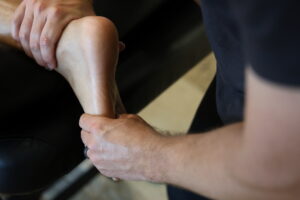
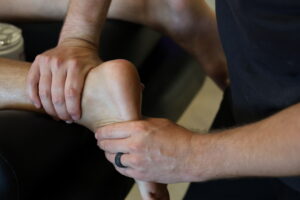
physical therapist working on ankle

Why Your Morning Heel Pain Is Worse After Rest and What That’s Actually Telling You

If heel pain after rest is your most recognizable symptom – that sharp, stabbing pain with your first few steps out of bed, you’ve probably been told it’s because your plantar fascia tightens overnight and tears slightly when you stand up. That explanation sounds reasonable, but it almost certainly isn’t what’s happening. A more likely

Why Your Morning Heel Pain Is Worse After Rest and What That’s Actually Telling You Read More »

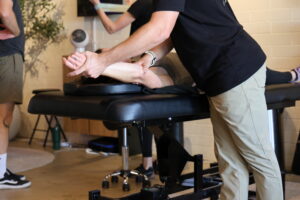
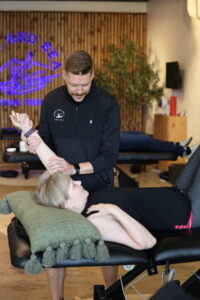
physical therapist working on shoulder

Frozen Shoulder Is Not a Life Sentence, But You Need to Understand What You’re Actually Dealing With

Frozen shoulder is one of the most misunderstood conditions we see in physical therapy. Many people expect it to improve quickly, and some treatment approaches push the shoulder too aggressively, which can actually make symptoms worse. If you’ve been diagnosed with adhesive capsulitis, or your shoulder has become progressively stiffer and more painful over the

Frozen Shoulder Is Not a Life Sentence, But You Need to Understand What You’re Actually Dealing With Read More »

That Grinding, Cracking Feeling Behind Your Kneecap Is Probably Not What You Think It Is

Patellofemoral pain is one of the most common causes of knee pain, but it’s also one of the most misunderstood. The term sounds complicated, but it simply refers to pain at the joint where the kneecap meets the thigh bone. If you feel a dull ache behind or around your kneecap when squatting, climbing stairs,

That Grinding, Cracking Feeling Behind Your Kneecap Is Probably Not What You Think It Is Read More »

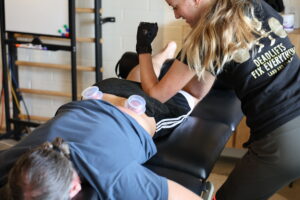
physical therapy client deadlifting

Proximal Hamstring Tendinopathy: Why Sitting Makes It Worse

Proximal hamstring tendinopathy is one of the most commonly missed causes of hip pain. Because sitting often makes it worse, many people assume the pain is coming from a tight muscle or a vague hip problem rather than the hamstring tendon. As a result, they stretch more and rest more. Unfortunately, those strategies rarely solve

Proximal Hamstring Tendinopathy: Why Sitting Makes It Worse Read More »

physical therapist working on clients hip

If Your Leg Hurts More Than Your Back, a Nerve in Your Spine Is Probably the Reason

Most people who develop burning, tingling, or pain shooting down their leg assume they have injured a muscle. However, when leg symptoms are worse than back pain, especially when they travel below the knee, an irritated nerve root is usually the cause. That distinction changes how we approach treatment and is one of the first

If Your Leg Hurts More Than Your Back, a Nerve in Your Spine Is Probably the Reason Read More »

physical therapist working on a shoulder

Your MRI Doesn’t Explain Your Shoulder Pain (And That’s Actually Good News)

Rotator cuff tears, labral fraying, and impingement findings appear on shoulder MRIs every day. The surprising part is that many of these findings are also present in people who have no shoulder pain at all. They continue working, exercising, golfing, swimming, and living their lives without ever knowing those changes exist. That fact challenges the

Your MRI Doesn’t Explain Your Shoulder Pain (And That’s Actually Good News) Read More »

physical therapist working with patient on knee

Resting Your Knee Tendon Pain Is Often the Worst Thing You Can Do

Resting your knee completely because a tendon hurts is a common mistake. It feels logical: something hurts, so you stop doing it. The problem is that tendon pain doesn’t behave the way most people expect. For tendon-related knee pain, complete rest often slows recovery rather than accelerates it. While symptoms may improve temporarily, prolonged inactivity

Resting Your Knee Tendon Pain Is Often the Worst Thing You Can Do Read More »