
Hip pain is one of the most misdiagnosed conditions in outpatient physical therapy, and the reason is straightforward: the hip is not one simple structure. It is a layered system of joints, tendons, bursae, nerves, and soft tissue, and a problem in any one of them can feel almost identical to a problem in another. If you’ve been told you have bursitis, a tight IT band, or a piriformis problem and the treatment hasn’t worked, there’s a good chance the diagnosis was incomplete. For anyone dealing with hip pain, understanding this complexity is the first step toward actually getting better.
The Hip Is Divided Into Two Categories
Clinicians separate hip problems into two broad camps: intra-articular and extra-articular. Intra-articular means the problem is inside the hip joint itself. Common examples include osteoarthritis, femoroacetabular impingement (FAI), labral tears, and avascular necrosis. Extra-articular means the problem exists outside the joint, such as tendon issues, muscle strains, nerve irritation, or bursitis. The reason this distinction matters is that treatment for one category can be completely wrong for the other. Groin pain that feels like a pulled muscle might actually be coming from inside the joint, or what looks like a glute issue on the surface might be a nerve problem tracing back to your lower back.
Where the Pain Lives Tells You Something
Location is one of the most useful early clues in sorting through a hip diagnosis. Pain at the front of the hip, especially deep groin pain, tends to point toward intra-articular problems. People will often press their hand in a C-shape around the front and side of the hip to show you where it hurts. That pattern is so common it has a name: the C-sign. Pain on the side of the hip, around the greater trochanter (the bony bump you can feel when you press on the outside of your thigh), tends to involve the gluteus medius or minimus tendons. Pain at the very back of the hip, near the sit bone, often points toward the hamstring tendon or, in some cases, a nerve issue coming from the low back.
The Low Back Is Almost Always Part of the Conversation
Here’s something that surprises a lot of patients: buttock pain and posterior hip pain are frequently caused by the lumbar spine, not the hip itself. Nerve irritation, referred pain, and radiculopathy from the low back can all produce symptoms deep in the glute region that feel exactly like a muscle or hip joint problem. This is one of the most common reasons people get misdiagnosed. The piriformis gets blamed. Stretching and massage are applied. Nothing changes. A thorough exam of the lower back is not optional when someone presents with posterior hip or buttock symptoms. It should be the starting point.
Imaging Is Not Always the Answer
One of the more counterintuitive findings in hip research is that structural changes on MRI or X-ray are extremely common in people with no pain. Labral tears, cartilage changes, tendon degeneration, and bursitis can all show up on imaging in completely asymptomatic hips. This does not mean imaging is useless. It means imaging results need to be interpreted in context alongside your symptoms and a physical examination. If imaging shows a finding, but your exam doesn’t match, that finding may not be what’s causing your pain. We look at the whole picture rather than treating a scan.
What a Thorough Exam Should Cover
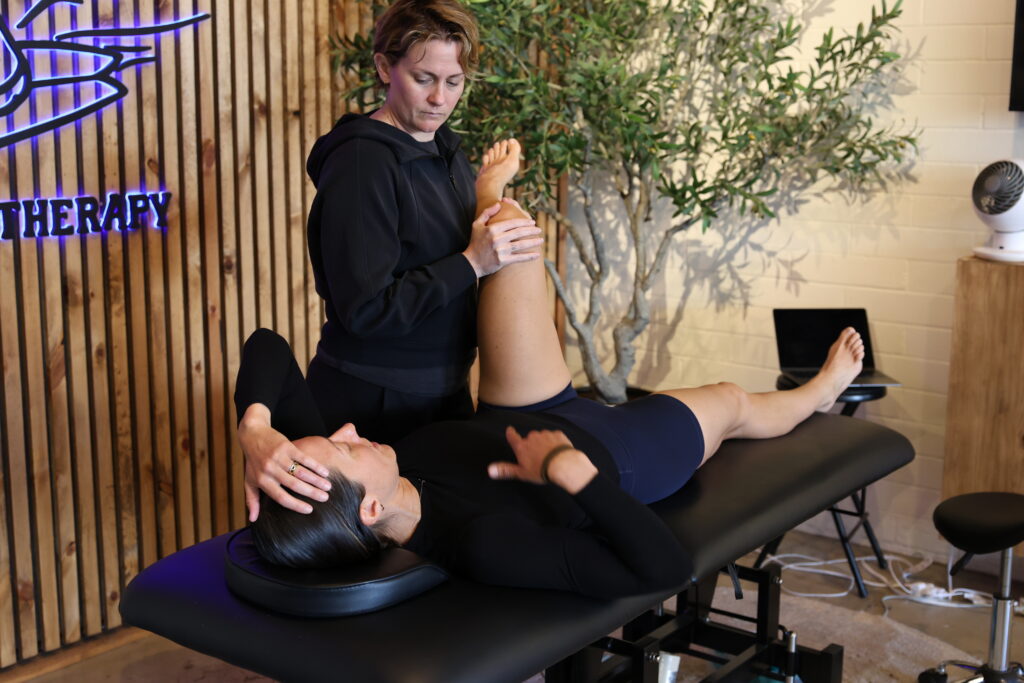
A proper hip evaluation should assess your range of motion on both sides, strength of the hip muscles (especially the glutes), how your symptoms respond to specific movement tests, and what happens when you stand on one leg. Your therapist should also be asking detailed questions about when the pain started, what makes it better or worse, whether you have pain at night or at rest, and whether you’ve had any changes in strength or function. Clicking, snapping, and locking are also worth discussing, though they are often less alarming than people assume.
The Good News About Hip Pain
The vast majority of hip conditions, including FAI, labral tears, gluteal tendinopathy, adductor strains, and even mild-to-moderate osteoarthritis, respond well to a structured rehabilitation program before surgery is ever on the table. Research consistently shows that three to six months of targeted exercise therapy is the recommended first step for most of these diagnoses. That means most people walking around with hip pain have a clear, non-surgical path forward. The key is getting an accurate diagnosis first, ensuring the right work gets done. We can help.
If you want to contact us or book an appointment, check our business profile page.

Dr. Jonny Blue is a Doctor of Physical Therapy and founder of Land and Sea Physical Therapy in Oceanside, CA. He specializes in orthopedic PT, root cause methodology, and helping active adults in North County San Diego get back to the activities they love without surgery or pain medication.