
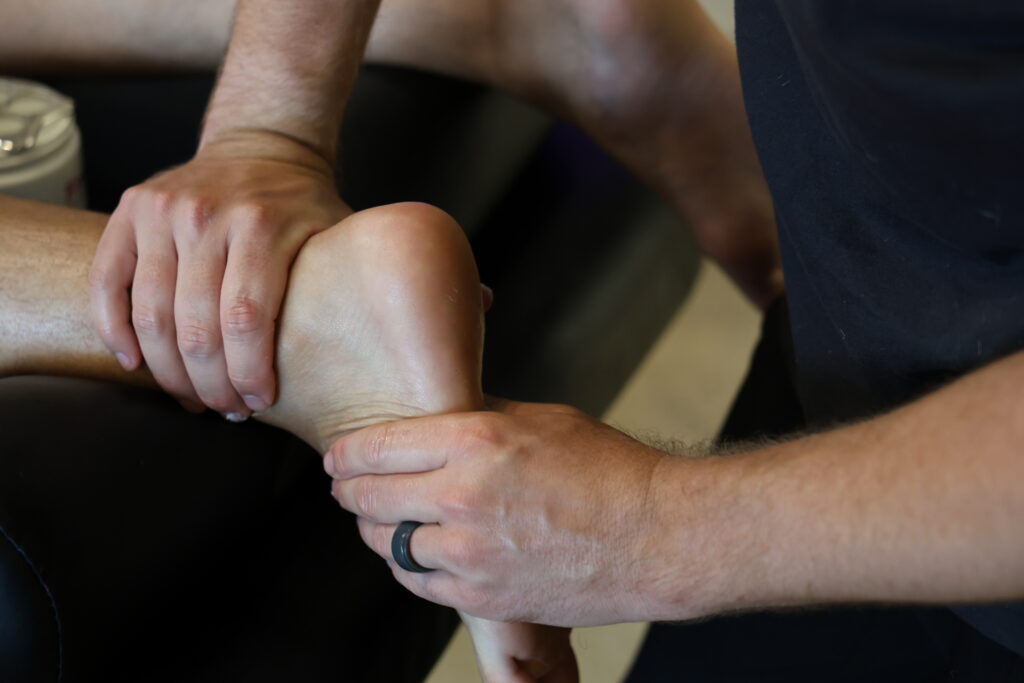
Heel pain patients deal with is rarely caused by inflammation, yet the vast majority of treatments your doctor or podiatrist will recommend are built on that exact assumption. That mismatch is the single biggest reason people spend months in night splints, cortisone shots, and expensive orthotics and still wake up hobbling to the bathroom every morning.
The science shifted on this about a decade ago. Dr. Harvey Lamont, a podiatrist and dermatopathologist based in Philadelphia, operated on 50 patients who had failed every conventional plantar fasciitis treatment. He biopsied their plantar fascia tissue and put it under a microscope. What he found wasn’t inflammation. It was dead tissue. That changes everything about how we should be treating this condition.
Plantar Fasciosis, Not Fasciitis
That distinction matters more than it might sound. Inflammation is an active process your body uses to heal. You treat it by calming it down, stretching, icing, and using anti-inflammatories. Dead tissue from poor circulation is a completely different problem. You can’t ice your way out of necrosis. You have to fix the blood flow.
The updated term for this condition is plantar fasciosis, not fasciitis. The ‘osis’ ending indicates a degenerative, circulatory issue rather than an inflammatory one. Most people with chronic heel pain that won’t resolve are dealing with plantar fasciosis. The traditional treatments aren’t wrong because they’re lazy; they’re wrong because they’re aimed at the wrong target.
The Real Culprit: A Muscle Nobody Talks About
So if poor circulation causes the dead tissue, what’s cutting off the circulation? The answer is a small muscle on the inside of your foot called the abductor hallucis. In a healthy foot, this muscle works in balance with the adductor hallucis to keep your big toe properly aligned, pointing straight forward in line with the first metatarsal bone.
The problem starts early. Most children are put into shoes with a narrowed toe box long before their feet have fully developed. That design feature gradually pushes the big toe toward the second toe, pulling the abductor hallucis out of its ideal resting position. Over time, it becomes tight and shortened. And because the blood vessels supplying the inner heel pass directly beneath this muscle, a chronically tight abductor hallucis acts like a slow-tightening tourniquet on that blood supply. Not enough to cut off circulation to the whole foot, just enough to starve that small patch of tissue where most people feel their worst heel pain.
Why Standard Treatments Give You Short-Term Relief at Best
This explains a pattern almost every plantar fasciosis patient recognizes. You get a cortisone shot, and it feels better for a few weeks. The shot reduces any secondary inflammation in the area, but it doesn’t address the tightness of the abductor hallucis or the underlying poor circulation. The dead tissue is still there. The muscle is still compressing the blood vessels. Within weeks, the pain is back.
The same goes for traditional plantar fascia stretching protocols. Stretching the plantar fascia when the problem is actually on the opposite side of the foot, a tight abductor hallucis and short toe extensor muscles, doesn’t fix anything. In fact, the plantar fascia is often already over-lengthened in people who wear shoes with a raised heel. Stretching an already elongated structure isn’t going to help it heal.
What Actually Works: Getting to the Source
The most meaningful thing you can do for chronic heel pain is remove the input that caused the problem in the first place. That means transitioning into footwear that has a wide enough toe box to allow your big toe to sit in its natural position, a flat sole with no heel elevation, and enough flexibility to let the foot move properly. These three features allow the abductor hallucis to return toward its natural resting length and gradually restore blood flow to the medial heel.
From there, a targeted rehabilitation program that addresses abductor hallucis tightness, strengthens the intrinsic foot muscles, and corrects big toe alignment will do what no amount of stretching or injecting can do on its own. It gets circulation back to the tissue that’s been starved of it. That’s how you actually fix plantar fasciosis, not just manage it.
At Land and Sea PT in Oceanside CA, we look at heel pain through this lens from the very first visit. If you’ve been told you have plantar fasciitis and the standard treatments haven’t worked, there’s a good chance nobody has looked at your abductor hallucis yet. We do.
If you want to contact us or book an appointment, check our business profile page.

Dr. Jonny Blue is a Doctor of Physical Therapy and founder of Land and Sea Physical Therapy in Oceanside, CA. He specializes in orthopedic PT, root cause methodology, and helping active adults in North County San Diego get back to the activities they love without surgery or pain medication.