
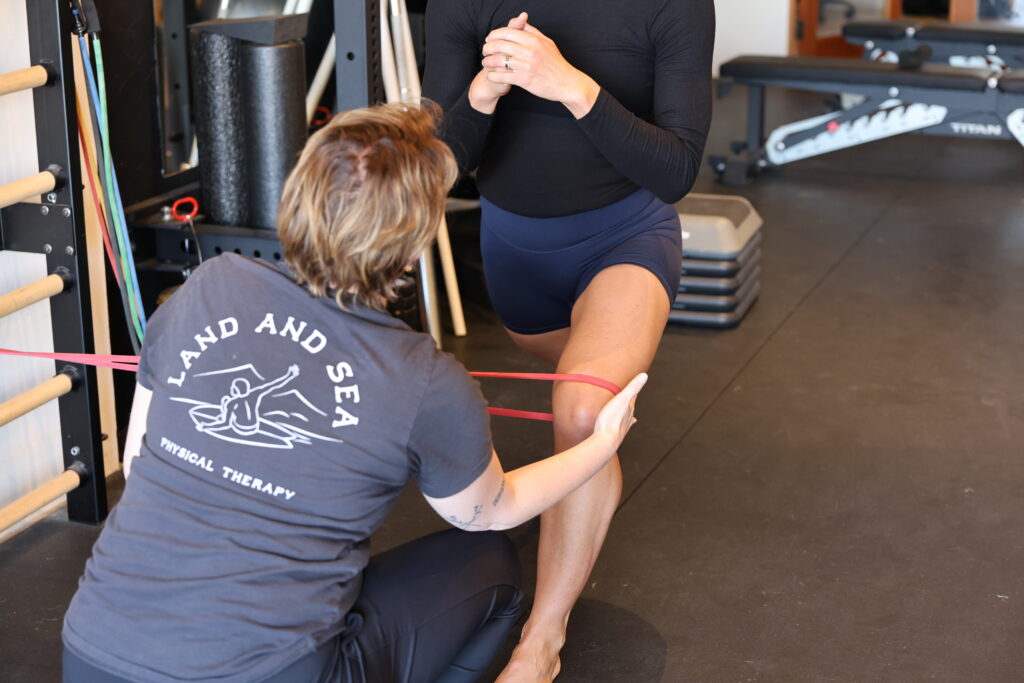
That popping or cracking noise in your knee when you squat is not automatically a sign of damage. Treating it like an injury is where many people go wrong. There are two very different reasons your knee may make noise during a squat, and they require completely different approaches.
One is a harmless, popcorn-like popping that often shows up during your warm-up or first few sets. The other is a grinding sensation that comes with pain and swelling. That combination can point to a more serious issue that needs a different approach.
Figuring out which type you’re dealing with is the first step toward finding the right solution.
Why the Harmless Kind Happens
That popcorn-like popping is often related to stiffness in your quad tissue. The fascia and muscles around your thigh can become tight after sitting or standing for long periods. When this tissue is stiff, your kneecap may not move as smoothly as it should, which can contribute to the popping sensation.
The solution isn’t always to rest or avoid squats. Instead, try a proper mobility warm-up before loading your knees. Foam rolling the length of your quad for one to two minutes can help loosen stiff tissue. Spend a little extra time on any areas that feel particularly tight or restricted.
Many people notice that their knees feel and sound better after adding this type of mobility work before training.
Stretching and Loading the Position
Foam rolling isn’t the whole story. Adding a short stretch, such as a couch stretch held for about 30 seconds, can help loosen the quad tissue before you load it.
Keep these stretches relatively short before training. Holding a stretch for more than a minute may temporarily reduce your ability to produce strength and power, which isn’t ideal right before squatting.
After foam rolling and stretching, spend some time sitting in the bottom of a deep squat. If your ankle mobility or balance makes this difficult, hold a plate or kettlebell in front of you for extra counterbalance.
Try holding this position for 30 seconds to a minute. While you’re there, gently shift from side to side and squeeze your glutes. This helps your body become more comfortable in the deeper range of motion.
Over time, the goal is to hold this position comfortably without needing the counterbalance weight.
Putting the Routine Together
Your routine can be simple:
- Foam roll the length of your quad, spending extra time on stiff areas.
- Stretch with a short-duration stretch like the couch stretch.
- Sit in a deep squat to help your body become more comfortable in that position.
After each step, check your squat and see if the popping has changed. Not every technique works the same way for every person, so it’s helpful to pay attention to how your body responds.
For this type of painless knee popping, consistent mobility work before training may be more helpful than simply resting or avoiding squats.
When It’s Something More Serious
If you’ve been consistent with your mobility work and still notice grinding, especially when it’s combined with pain or swelling, that’s a different situation.
This may point to a more involved knee problem that requires a targeted approach beyond a simple warm-up routine. In that case, it’s worth having your knee assessed to determine what’s causing the symptoms.
The key distinction is simple: painless popping during a warm-up is often less concerning, while painful grinding or swelling deserves more attention.
If you want to contact us or book an appointment, check our business profile page.

Dr. Jonny Blue is a Doctor of Physical Therapy and founder of Land and Sea Physical Therapy in Oceanside, CA. He specializes in orthopedic PT, root cause methodology, and helping active adults in North County San Diego get back to the activities they love without surgery or pain medication.