
The single biggest reason people re-tear their ACL after surgery isn’t weak muscles. It’s using a calendar instead of actual performance testing to decide when they’re ready.
This mistake happens constantly. A surgeon tells someone they can start running at three months because that’s when many people are cleared. The person laces up their shoes and starts running, even though nobody has actually measured whether their quad is strong enough to handle it. Time since surgery can provide a general framework, but it tells you very little about whether your knee is truly ready for the next stage.
Why Time Alone Is Such a Dangerous Metric
The research here is sobering. Only about 55% of people return to competitive sport after ACL surgery, and among athletes under 25 who return to high-risk sports, roughly one in four will suffer a second ACL injury.
One major factor is progressing based on time instead of function. Waiting at least nine to twelve months before returning to sport can meaningfully reduce re-injury risk. Beyond that, nearly every major decision , when to start running, when to add plyometrics, and when to return to sport should be guided by objective testing rather than a date circled on your calendar.
The Other Big Mistakes That Derail Recovery
Skipping proper strength and conditioning is another major issue. If your rehab never includes exercises like squats or split squats that are heavy enough to genuinely challenge you, you may not be doing enough to build the strength your knee needs long term.
Neglecting cardiovascular fitness is another common gap. Aerobic exercise can often be introduced early in the rehabilitation process and should continue throughout recovery as appropriate.
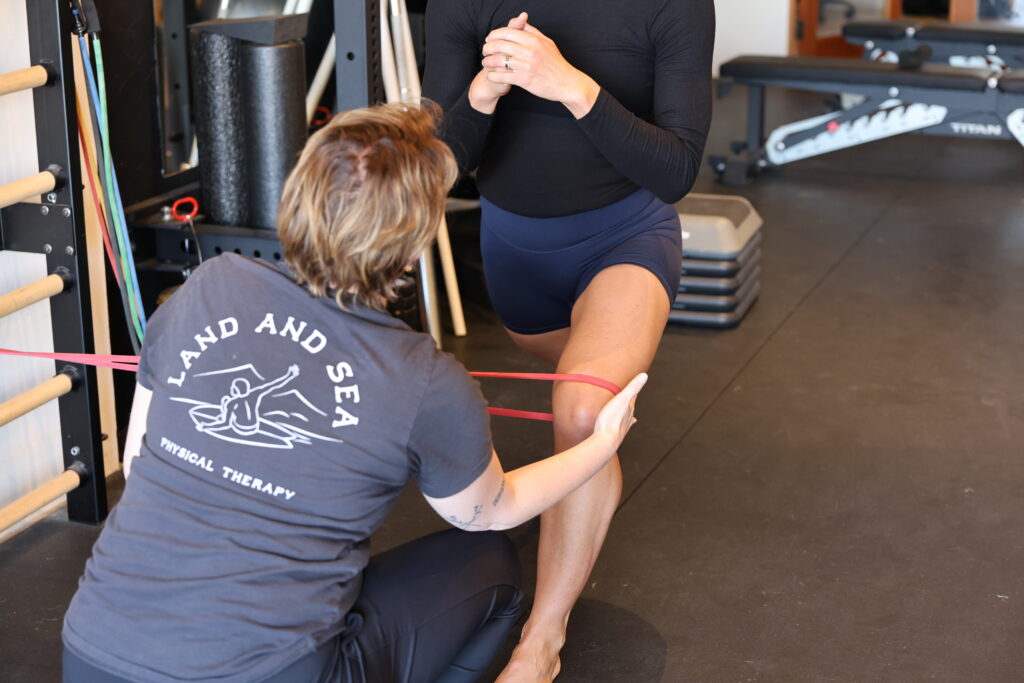
Relying on subjective assessment instead of objective criteria is a problem, too. Your physical therapist can learn a lot by assessing your movement, but they cannot accurately determine your quad strength simply by pressing on your leg with their hands. Strength needs to be measured with appropriate testing.
The Mistakes People Don’t Expect
A few mistakes catch people off guard because they don’t seem obviously related to the knee. Ignoring the neurocognitive and psychological side of rehab is a big one. An ACL injury can affect your confidence, decision-making, and movement patterns, not just the physical function of the knee.
Neglecting your uninjured leg is another sneaky mistake. Strength in the other leg can decline through simple disuse if you aren’t deliberately training it throughout the recovery process.
Finally, rushing or overcomplicating your rehabilitation can backfire. Progress isn’t about constantly adding something new. It’s about consistently executing the fundamentals and progressing them at the right time.
What This Means for Your Recovery
If you want to reduce your risk of a second injury, the mindset shift is simple, even if it isn’t easy.
Stop asking how many weeks or months it has been. Start asking whether you’ve actually met the specific strength and performance benchmarks required for the stage you’re trying to enter.
That shift in approach can make a meaningful difference throughout your ACL recovery. Your timeline matters, but your performance should ultimately determine whether you’re ready to progress.
If you want to contact us or book an appointment, check our business profile page.

Dr. Jonny Blue is a Doctor of Physical Therapy and founder of Land and Sea Physical Therapy in Oceanside, CA. He specializes in orthopedic PT, root cause methodology, and helping active adults in North County San Diego get back to the activities they love without surgery or pain medication.