
“Hip bursitis” may be the wrong diagnosis, and the label itself could be part of why your treatment hasn’t worked. If you have pain on the outside of your hip and were told it’s bursitis, that diagnosis has been questioned for years.
Research increasingly suggests that inflammation of the trochanteric bursa is not usually the primary source of pain. In fact, MRIs often show changes around the bursa in people who have no hip pain at all. Instead, research points more toward the gluteus medius and gluteus minimus tendons, which attach near the bony bump on the outside of your hip called the greater trochanter.
Why the Name You’re Given Actually Matters
This isn’t just a technicality. The name of your diagnosis can shape how you think about treatment and recovery.
“Bursitis” sounds like inflammation, which can lead people to focus on ice, complete rest, and anti-inflammatory medications. Those strategies may not address the primary issue and can leave you feeling like there’s little you can do to improve your symptoms.
Gluteal tendinopathy, which is often a more appropriate term for this type of lateral hip pain, involves a different treatment approach. Activity modification and targeted exercise become important tools for gradually improving the tendon’s capacity and tolerance.
Who Tends to Get This?
Gluteal tendinopathy is more common in older, less active, and perimenopausal women, although younger and active people can develop it as well. Runners and other athletes may experience it when the demands placed on the hip increase faster than the tendon can adapt.
There are also a few clinical signs that can help point toward gluteal tendinopathy. Research has found that pain within 30 seconds of standing on one leg can be a useful indicator. Sleeping on the affected side and activities that load the area, such as walking or climbing stairs, can also aggravate symptoms.
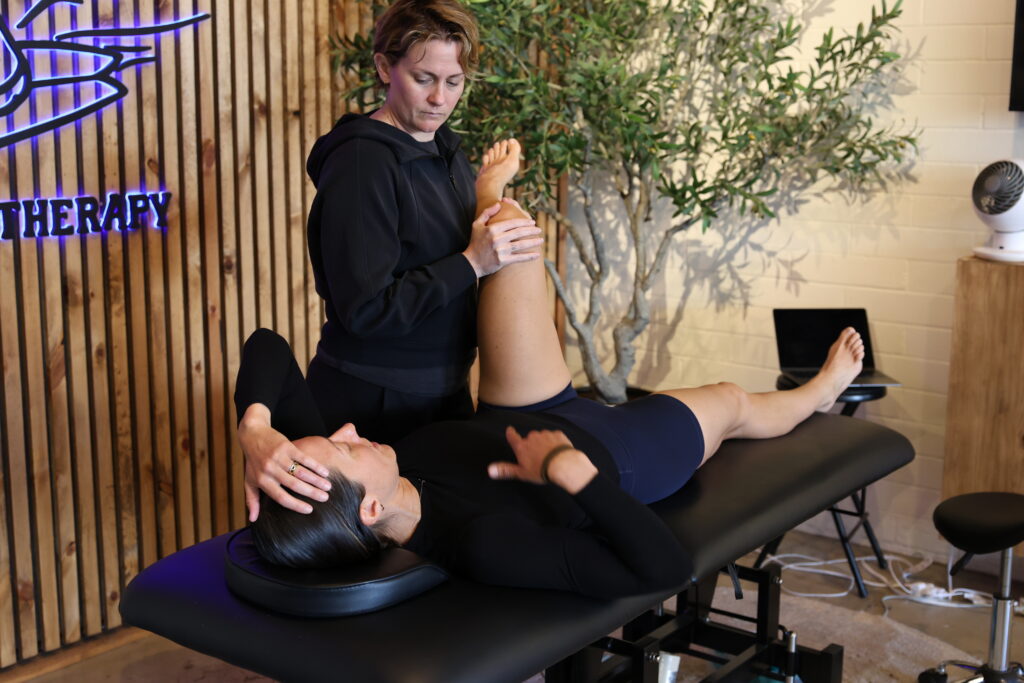
A physical therapist can combine these findings with a full examination to determine whether the gluteal tendons are likely contributing to your pain.
Why Imaging Usually Isn’t the Answer
As with many other tendon problems, changes seen on an MRI around the hip are common in people who have no symptoms. Because these findings can appear in both painful and pain-free hips, imaging usually isn’t necessary to diagnose or manage gluteal tendinopathy.
A thorough clinical examination is often enough to identify the likely source of your symptoms and determine an appropriate treatment plan.
What Actually Helps Beyond the Diagnosis?
Correcting the diagnosis is only part of the picture. Broader health factors can also influence tendon health and how well tendons respond to load.
Conditions such as diabetes and high cholesterol, higher levels of body fat, and certain medications can affect tendon health. This means that improving your overall health can be a meaningful part of managing gluteal tendinopathy, alongside targeted exercises and activity modifications.
The Bottom Line
If you’ve been treating “hip bursitis” with rest and ice without much improvement, it may be worth reconsidering the diagnosis.
Gluteal tendinopathy generally responds to a different approach. Rather than simply avoiding activity and trying to control inflammation, treatment typically focuses on gradually loading the tendon and modifying activities that aggravate your symptoms.
The goal isn’t to avoid using your hip. It’s to gradually build its capacity so you can get back to the activities you enjoy.
If you want to contact us or book an appointment, check our business profile page.

Dr. Jonny Blue is a Doctor of Physical Therapy and founder of Land and Sea Physical Therapy in Oceanside, CA. He specializes in orthopedic PT, root cause methodology, and helping active adults in North County San Diego get back to the activities they love without surgery or pain medication.