
The old model for concussion management was simple: dark room, complete rest, no screens, no stimulation. The research has moved on from that model significantly. And understanding where concussion science now stands is important for anyone managing a concussion or helping someone else through one.
HBOT for post-concussion syndrome
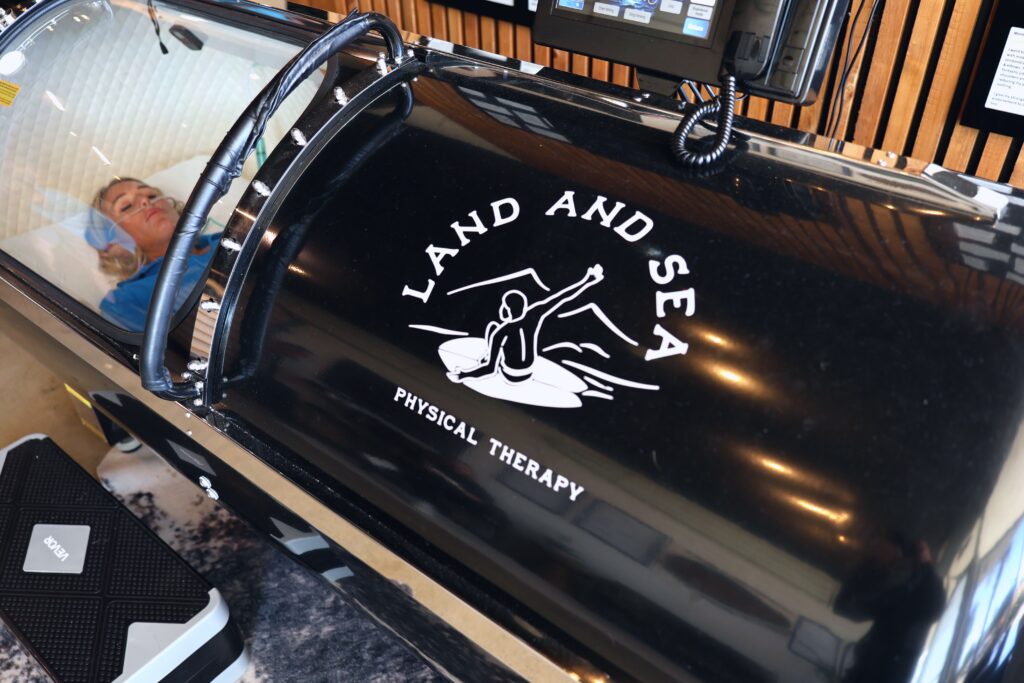
For patients who want to explore the most up to date approaches for addressing concussion related s ymptoms, HBOT is one of the most evidence-supported treatment options available. Multiple trials have demonstrated improvements in cognitive function, fatigue, sleep quality, and headache frequency in post-concussion patients treated with HBOT.
The reason comes down to what’s actually happening in the brain after a concussion. Blood flow to affected areas is disrupted, and some neurons go dormant rather than dying outright. They’re alive but not functioning. Standard recovery approaches don’t do much for this, because the oxygen bound to red blood cells can’t reach tissue that has compromised perfusion. HBOT dissolves oxygen directly into the plasma, which means it gets to places hemoglobin can’t. At 2.0 ATA, plasma oxygen levels increase by roughly 10 to 15 times above normal, which is enough to wake up that dormant tissue and drive down the neuroinflammation that stalls recovery.
A 2013 randomized controlled trial by Boussi-Gross et al., published in PLOS ONE, followed 56 patients with persistent post-concussion syndrome and found that 40 sessions at 1.5 ATA produced measurable improvements in cognitive function and quality of life, along with changes visible on SPECT imaging. Research from Paul Harch, MD, at LSU has documented similar outcomes in veterans with mild traumatic brain injury, including improvements in memory, sleep, and depression symptoms after a structured HBOT protocol.
Symptoms that tend to respond include brain fog, headaches, difficulty concentrating, irritability, and fatigue, particularly in patients who are months or years past the original injury and haven’t improved with conventional care. The further out someone is from their concussion without resolution, the more likely it is that dormant tissue, rather than acute swelling, is driving their symptoms, and that’s exactly what HBOT targets.
Why complete rest doesn’t help and sometimes hurts
Multiple studies have now shown that prolonged rest after concussion, beyond the first 24 to 48 hours, is associated with worse outcomes, not better ones. Patients who rested completely for extended periods reported longer symptom duration, more persistent functional limitations, and higher rates of post-concussion syndrome than patients who began graded activity earlier.
Graded exercise therapy
The current evidence-supported approach is subsymptom threshold exercise: finding the level of physical activity that can be performed without significantly worsening symptoms and using that as the starting point for progressive return to activity. The goal isn’t to push through symptoms. It’s to find the boundary, train at or just below it, and progressively expand it over time.
The cervicogenic component
One of the most consistently underappreciated aspects of concussion management is the cervical spine. The mechanism that causes concussion, rapid acceleration-deceleration of the head, almost always creates cervical injury alongside the brain injury. Cervicogenic headaches, dizziness, and neck pain that get labeled as post-concussion symptoms are frequently partly or entirely coming from the cervical spine. Treating the cervical component through manual therapy to the upper cervical joints often resolves symptoms that were being attributed to ongoing neurological dysfunction.
At Land and Sea PT in Oceanside, we integrate graded exercise, cervical treatment, and HBOT for patients managing concussion recovery. If you’re dealing with a concussion that isn’t resolving on the expected timeline, come in for an assessment.
If you want to contact us or book an appointment, check our business profile page.

Dr. Jonny Blue is a Doctor of Physical Therapy and founder of Land and Sea Physical Therapy in Oceanside, CA. He specializes in orthopedic PT, root cause methodology, and helping active adults in North County San Diego get back to the activities they love without surgery or pain medication.