
A rotator cuff tear showing up on your MRI does not mean surgery is your only option. In many cases, it may not even be the reason you’re experiencing pain.
This surprises almost everyone who receives that diagnosis. Rotator cuff tears are incredibly common in people with no shoulder symptoms, and they become more prevalent with age. One study found that nearly half of full-thickness tears were completely asymptomatic in the people studied.
Tear size and severity also don’t reliably predict how much pain or dysfunction someone will experience.
Why Tears Don’t Always Mean Trouble
The rotator cuff consists of four muscles that wrap around the shoulder and attach around the joint. Because these muscles and tendons work together, a tear behaves less like a rope being cut in half and more like a hole in a piece of fabric.
The rest of the fabric can still hold together and function normally. That’s one reason so many people can have a rotator cuff tear without ever noticing it.
Research supports this further. Reviews comparing surgery with exercise therapy have found that exercise can perform just as well as surgery for improving pain, disability, and quality of life, including in people with large or massive tears.
Shoulder activity level also isn’t necessarily linked to tear progression. Even when a tear becomes larger over time, that doesn’t automatically mean someone will experience worse symptoms or reduced function.
What’s Actually Driving Your Pain?
If the tear isn’t always the problem, then what is causing the pain?
Many common forms of shoulder pain, including impingement, subacromial pain syndrome, and rotator cuff tendinopathy, involve tissue that has become more sensitive to certain positions and movements.
That sensitivity can develop after a sudden increase in activity, a gradual change in workload, or changes in overall health. It doesn’t necessarily mean there is ongoing structural damage or a new tear.
This distinction matters when it comes to treatment. Some discomfort during rehab exercises can be acceptable as long as it remains tolerable and you continue to make progress toward your goals.
Feeling a twinge during an exercise doesn’t automatically mean you’re causing more damage.
What This Means for Your Treatment Plan
None of this means imaging or surgery is never appropriate. If your injury involved significant trauma or your doctor has specific concerns, those should always be discussed directly with them.
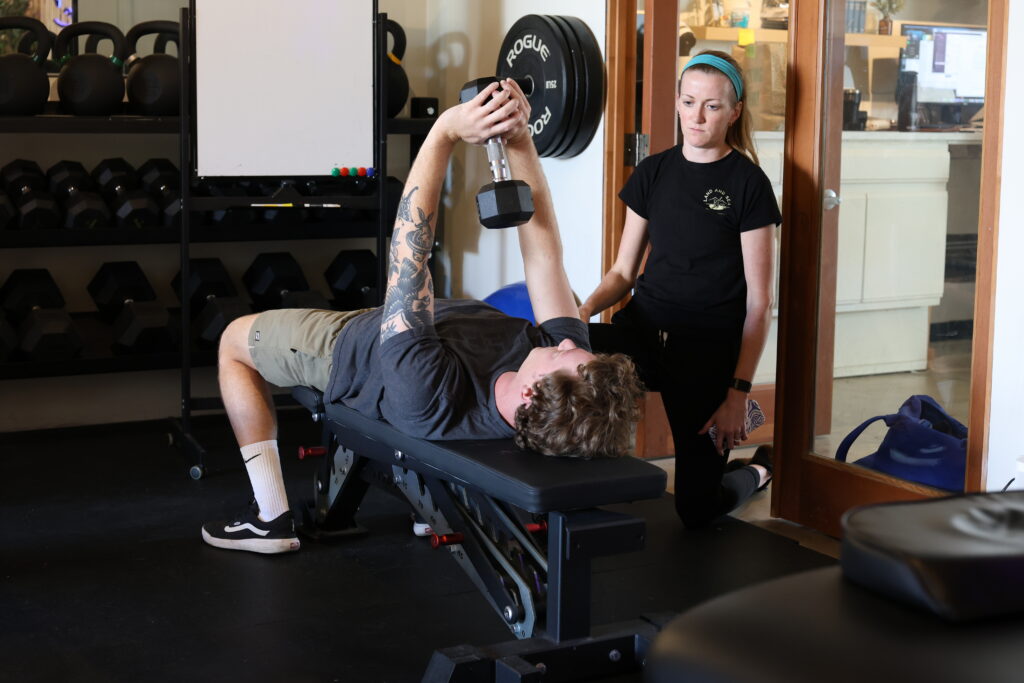
For many people with rotator cuff-related shoulder pain, however, exercise therapy is a first-line treatment. The goal of rehab is straightforward: temporarily modify the activities that are aggravating your symptoms, support your overall health, and follow a structured exercise program.
That program should address your specific strength, mobility, and functional limitations while gradually increasing the demands placed on your shoulder.
Moving Forward With Confidence
If you’ve been told you have a rotator cuff tear and you’re now afraid to move your shoulder, remember that movement and exercise are often an important part of recovery.
Your shoulder is more resilient than a scary-sounding MRI report might have led you to believe. A tear on an image doesn’t automatically determine what your shoulder can or cannot do.
If you want to contact us or book an appointment, check our business profile page.

Dr. Jonny Blue is a Doctor of Physical Therapy and founder of Land and Sea Physical Therapy in Oceanside, CA. He specializes in orthopedic PT, root cause methodology, and helping active adults in North County San Diego get back to the activities they love without surgery or pain medication.