
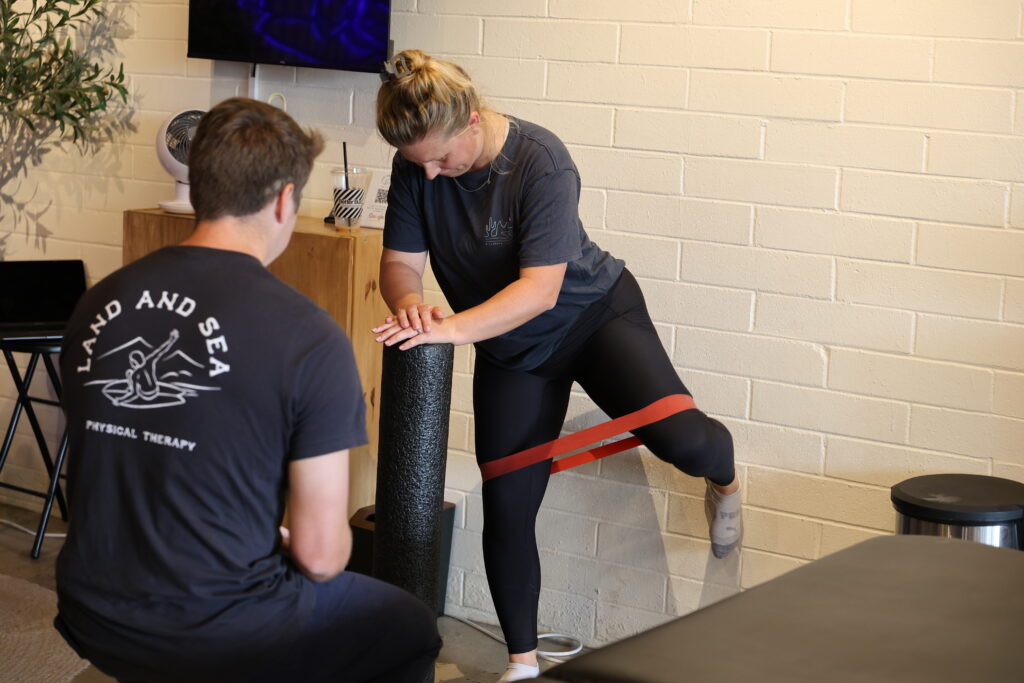
For years, greater trochanteric bursitis has been the go-to diagnosis for pain on the outside of the hip. More recent research tells a different story.
If you’ve been told you have hip bursitis, prescribed anti-inflammatory medication, and advised to rest and ice the area, only to have the pain return, there’s a good chance bursitis was never the main problem. In most cases, the real source of pain is the gluteus medius and gluteus minimus tendons. That diagnosis is called gluteal tendinopathy, and it requires a very different treatment approach.
What the Research Shows
MRI studies over the past two decades have consistently found that trochanteric bursitis appears on scans in many people who have no hip pain at all. If bursitis were the primary cause of lateral hip pain, that wouldn’t be expected.
The same research has shown that people with pain on the outside of the hip are much more likely to have changes in their gluteal tendons than in the bursa. That shift in understanding led to a newer diagnosis: gluteal tendinopathy.
Gluteal tendinopathy refers to pain and reduced function caused by irritation of the gluteal tendons. Understanding that difference changes the entire treatment plan.
Why the Diagnosis Matters
This isn’t just a change in terminology. The diagnosis influences how the condition is treated.
When people hear the word “bursitis,” they often think of inflammation. That usually leads to rest, ice, and anti-inflammatory medications. While those treatments may temporarily reduce symptoms, they don’t address the underlying problem if the tendons are involved.
Tendons respond best to gradual, progressive loading. They become healthier by receiving the right amount of exercise, not by avoiding movement altogether. Resting an irritated tendon for too long often reduces its ability to tolerate everyday activities and can make recovery take longer.
Who Develops Gluteal Tendinopathy?
Gluteal tendinopathy is most common in perimenopausal and postmenopausal women, but it also affects runners and active adults of all ages.
Hormonal changes can influence tendon health, which helps explain why women in midlife are affected more often. Other factors also play a role, including diabetes, high cholesterol, certain antibiotics, and excess body weight.
Because of this, recovery involves more than exercise alone. Sleep, nutrition, stress management, and overall metabolic health all contribute to tendon healing.
Signs Your Glute Tendons May Be the Problem
A simple clinical test involves standing on the affected leg for 30 seconds. If pain develops along the outside of the hip during that time, gluteal tendinopathy becomes much more likely.
Other common signs include pain when lying on the affected side, discomfort during prolonged walking, climbing stairs, or standing on one leg. Many people also have weakness in the hip muscles, especially during single-leg activities.
Together, these findings help physical therapists determine whether the gluteal tendons are the primary source of your symptoms.
What Makes It Worse?
Certain everyday positions place extra compression on the gluteal tendons and can increase pain. Crossing your legs, standing with your weight shifted onto one hip, sitting with your knees pressed together, or repeatedly stretching the hip inward may all aggravate symptoms.
Early rehabilitation focuses on reducing these unnecessary compressive loads while keeping you active. As symptoms settle, exercises gradually increase the tendons’ ability to tolerate load and return to normal activities.
When to Consider Other Treatments
Most people improve with a structured rehabilitation program that combines progressive strengthening, load management, and lifestyle modifications.
If symptoms continue despite consistent treatment, it may be worth discussing additional options with your physician. Corticosteroid injections or platelet-rich plasma injections may be appropriate in some cases, particularly for long-standing symptoms or when other health conditions affect tendon healing.
For the vast majority of people, however, the best place to start is a targeted physical therapy program. Instead of simply calming symptoms, treatment should focus on rebuilding the strength and capacity of the gluteal tendons so they can tolerate everyday life without pain.
If you want to contact us or book an appointment, check our business profile page.

Dr. Jonny Blue is a Doctor of Physical Therapy and founder of Land and Sea Physical Therapy in Oceanside, CA. He specializes in orthopedic PT, root cause methodology, and helping active adults in North County San Diego get back to the activities they love without surgery or pain medication.