If you’ve been dealing with lateral elbow pain for more than a few months, there’s a good chance the tissue has changed in a way that makes most standard treatments ineffective.
Tendinitis vs. tendinosis: why the distinction matters
Most people with elbow pain are diagnosed with tendinitis, which implies inflammation. But research has shown that in chronic elbow tendinopathy, the tissue isn’t actually inflamed. The cellular picture looks more like degeneration: disorganized collagen, abnormal vascularity, breakdown of tissue structure. This is called tendinosis, and it doesn’t respond to anti-inflammatory treatment. Rest reduces load but doesn’t repair degenerated tissue.
What StemWave actually does
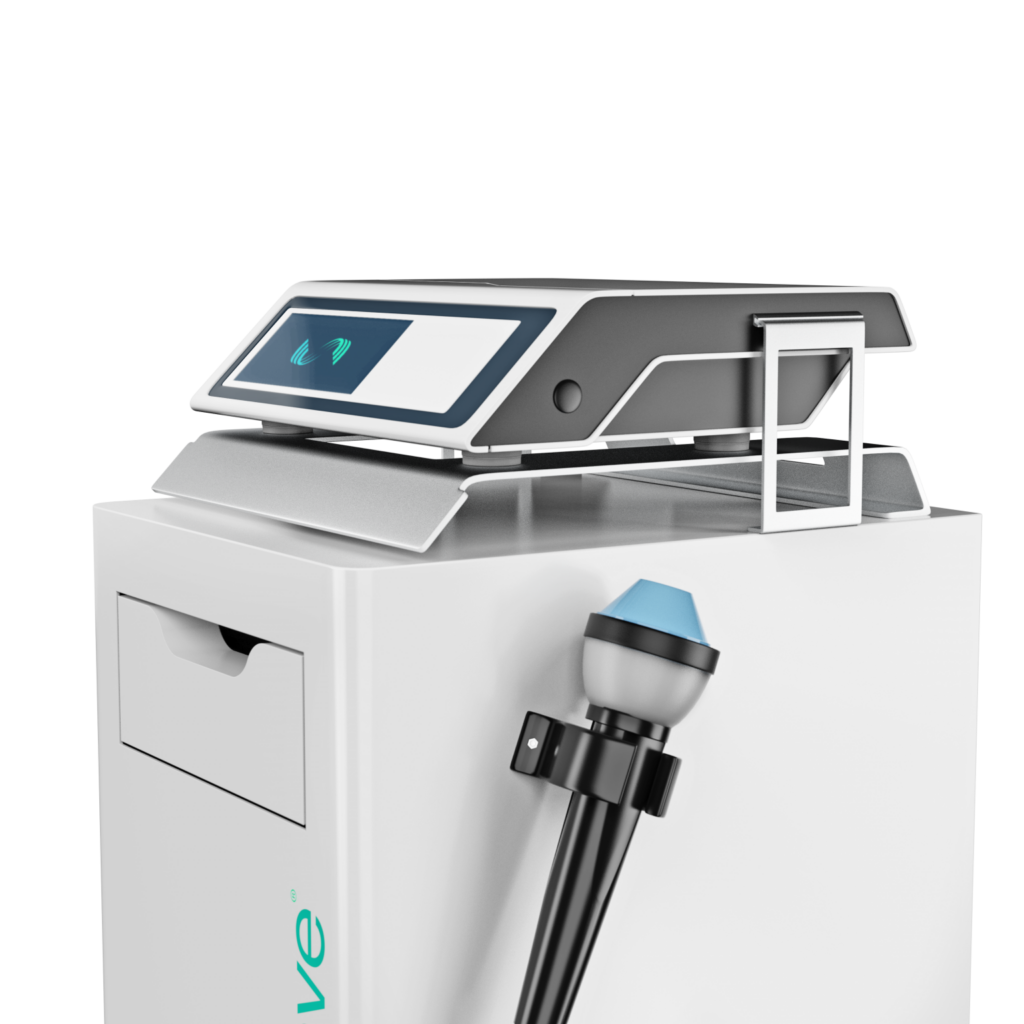
StemWave focused shockwave therapy applies high-energy acoustic waves to the affected tissue. The wave causes a shift in macrophage activity from the pro-inflammatory M1 type to the anti-inflammatory M2 type. It also stimulates angiogenesis and recruits mesenchymal stem cells. In plain terms: it restarts the healing process that chronic tendon tissue has stopped doing on its own.
StemWave alone is not the complete answer
StemWave works best as part of a comprehensive approach. The mechanical problem that caused the tendon to break down in the first place, usually weakness in the mid-back and scapular stabilizers, has to be addressed at the same time. Patients who combine StemWave with a proper strengthening program consistently have better outcomes.
Most patients notice meaningful improvement within the first few StemWave sessions. If elbow pain has been limiting your activities and standard approaches haven’t held, come in for a consultation.
If you want to contact us or book an appointment, check our business profile page.

Dr. Jonny Blue is a Doctor of Physical Therapy and founder of Land and Sea Physical Therapy in Oceanside, CA. He specializes in orthopedic PT, root cause methodology, and helping active adults in North County San Diego get back to the activities they love without surgery or pain medication.