
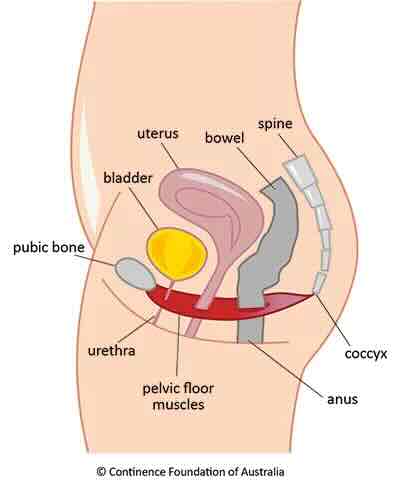
Pelvic floor physical therapy is one of the most effective and most underutilized treatments in all of musculoskeletal medicine. The conditions it addresses are extremely common. The success rates are high. And yet most people who need it either don’t know it exists or have been told the symptoms they’re experiencing are just part of life. PSA: they’re not.
What the pelvic floor actually is
The pelvic floor is a group of muscles that form the base of the pelvis. They support the pelvic organs, coordinate with the breathing cycle and the deep core, control continence, and contribute to sexual function. Like any other muscle group, they can be too weak, too tight, poorly coordinated, or any combination of those things. And like any other muscle group, they respond to targeted physical therapy.
What conditions pelvic floor PT addresses
Stress urinary incontinence is leaking urine with physical activity, coughing, sneezing, or laughing. Urgency incontinence is a sudden, strong urge to urinate that’s difficult to control. Pelvic organ prolapse is a descent of the pelvic organs causing pressure, heaviness, or bulging. Pelvic pain includes pain with intercourse, tailbone or hip pain, and chronic pelvic girdle pain. Diastasis recti is the separation of the abdominal muscles common after pregnancy.
Who it’s for
The most common assumption is that pelvic floor PT is for women who’ve recently had babies. But pelvic floor dysfunction affects people across the lifespan. Women who’ve never been pregnant. Men with pelvic pain or post-surgical incontinence. Athletes who experience leaking during high-impact training. People in their 60s and 70s who’ve been told incontinence is just part of aging.
The main takeaway from this should be:
#1: Experiencing these issue is common, but not normal.
#2: There are real, attainable solutions to leakage during exercise, painful intercourse, prolapse, etc.
#3: Pelvic Floor PT has one of the highest success rates of all musculoskeletal dysfunction. You can 100% make improvements and usually fix your issue completely.
You just need the right support, the right guidance, and the right person to provide those. Here’s what that looks like in practice:
What treatment looks like
Assessment includes both external and internal evaluation of the pelvic floor muscles. The internal component allows the therapist to directly assess muscle tone, strength, coordination, and tissue quality. Treatment is built from the assessment findings. Getting the distinction between hypertonic and hypotonic right is foundational.
Sessions are private and 1-on-1 with Dr. Kira Estelle, DPT. If you’ve been dealing with any of the above symptoms and assumed you had to live with them, come in for an assessment.
If you want to contact us or book an appointment, check our business profile page.

Dr. Jonny Blue is a Doctor of Physical Therapy and founder of Land and Sea Physical Therapy in Oceanside, CA. He specializes in orthopedic PT, root cause methodology, and helping active adults in North County San Diego get back to the activities they love without surgery or pain medication.