
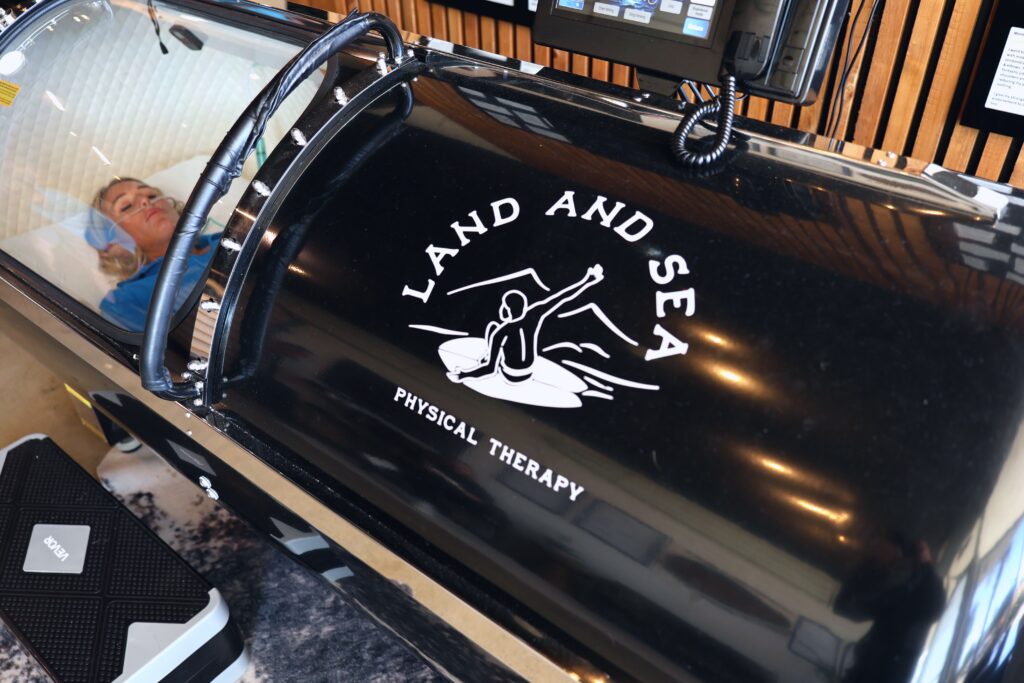
Somewhere along the way, hyperbaric oxygen therapy got lumped in with the broader wellness industry. That categorization does it a significant disservice. HBOT is not a wellness trend. It’s a medical treatment with a 60-year clinical history, multiple FDA-approved indications, and mechanistic research that explains precisely why it works.
Where HBOT comes from
HBOT originated in the treatment of decompression sickness in the 1960s. The FDA-approved indications now include decompression sickness, arterial gas embolism, carbon monoxide poisoning, chronic non-healing wounds, radiation injury, certain infections, and compromised skin grafts. These are established medical uses backed by substantial clinical literature.
The cellular mechanisms
Breathing pure oxygen at 2.0 ATA dissolves oxygen directly into plasma, cerebrospinal fluid, and lymph, not just red blood cells. This saturates tissue that normal circulation can’t adequately reach. The biological responses are specific and documented: angiogenesis, stem cell mobilization from bone marrow, the M1 to M2 macrophage phenotype shift, accelerated collagen synthesis, and neurological support through improved oxygen delivery to brain tissue.
Military medicine and elite athletes
The Department of Defense has invested significantly in HBOT research for traumatic brain injury. Multiple studies have shown improvements in cognitive function, sleep, and quality of life in veterans with TBI who receive HBOT. On the athletic side, the mechanism isn’t mystical: accelerated tissue repair, faster reduction of post-training inflammation, and better sleep quality from the neurological effects.
What we use it for at Land and Sea
We use HBOT for patients managing orthopedic injuries, post-surgical recovery, long COVID, concussion history, high training loads, and chronic inflammatory conditions that aren’t responding adequately to other approaches. We use it because the mechanism is real, the evidence is real, and what we see clinically reflects both. If you’d like to understand whether HBOT makes sense for your specific situation, come in for a consultation.
If you want to contact us or book an appointment, check our business profile page.

Dr. Jonny Blue is a Doctor of Physical Therapy and founder of Land and Sea Physical Therapy in Oceanside, CA. He specializes in orthopedic PT, root cause methodology, and helping active adults in North County San Diego get back to the activities they love without surgery or pain medication.